
Learn How To Answer 2024‘s 17 Most Common Whole Foods Interview Questions


If you just landed a Whole Foods interview, congratulations! You are one step closer to getting a job with one of America’s most loved brands.
So if you are seeking some guidance on Whole Foods interview questions you are likely to be asked, this guide is for you!
Below, you will find 17 commonly asked questions during various job roles with Whole Foods plus some answers! We even updated the guide based on behavioral interview questions that have grown in importance since Amazon purchased them. Let’s get started!
17+ Whole Foods Interview Questions + Answers 2024

1. What do you know about Whole Foods?
The Whole Foods website is a great source of company information, such as Whole Foods started in 1980 in Austin, Texas, and now has over 350 stores internationally. They were also recently purchased by Amazon.com.
Whole Foods Market also prides itself on organic, sustainable, and natural foods. So sharing any personal experience with the brand, fun facts, growth are also worth mentioning.
Ideally, try to avoid answers that include any controversy or unduly negative thoughts or speculation that you may have read online or in certain forums.
2. What is your favorite product to buy at the Whole Foods Market?
This question is somewhat of a follow-up to what you know about Whole Foods. It will show if you are actually familiar with what Whole Foods offers and your personal tastes.
As an example, if you have tried the Beyond Meat veggie-based meat-free products, Vegan products, non-GMO foods, foods catering to specific diets, or food allergies, then these are worth mentioning.
Whole Foods also offer products for beauty, cleaning, health care, most of their stores also have a great lunch counter, so there is a lot to choose from for your favorite Whole Foods Market product.
Don’t worry, there’s not a wrong answer.
3. What is your favorite food to cook or eat?

Since Whole Foods Market is a grocery store, the purpose of this question is to see how much you know about products in general and how involved you are with regard to food purchases.
There is no right or wrong answer, though, so don’t worry about it too much. However, enthusiasm is a key point for answering questions such as this.
Your answer will reveal more about your possible level of job enjoyment more than knowledge of any specific recipe or food preparation methods.
Top Course: Eat Real Food: How to Eat a Whole Food, Plant-Based Diet (Udemy)
4. Describe a meal you recently ate in as much detail as possible.
When they say detail, they really do want detail. You might start from your purchase choices, such as whether you worked from scratch, bought it premade, or somewhere in between.
This answer can be about a meal you made, a meal you purchased at a restaurant, or a meal at someone else’s home. The important thing is to be detailed.
5. What is your favorite activity related to food?
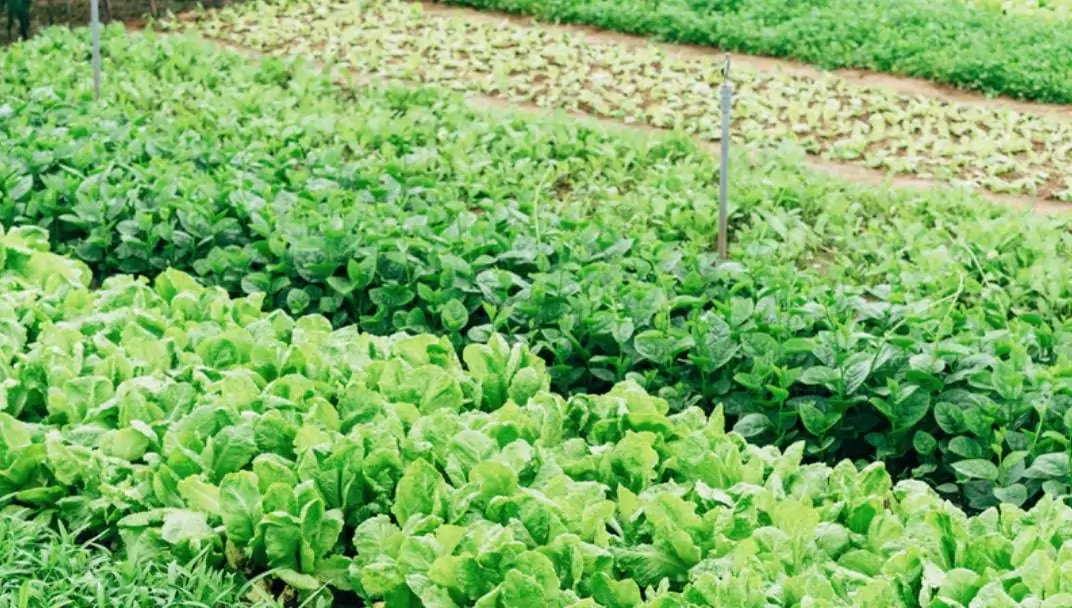
Do you like cooking and preparation? Or maybe you grow your own produce?
Again, there is no wrong answer, be honest and genuine when answering this question as it travels to the interwar how you communicate, demeanor, and tone of voice.
Recommended Course: Story on a Plate: Food Photography & Styling (CreativeLive)
6. What would you do if you couldn’t please a customer?
Customer service skills are a major factor for employers in any grocery store. Whole Foods Market in particular has a carefully developed reputation and standing as a great experience for grocery store shoppers.
So this is something very important they are looking for. Again, be genuine with your answer and maybe speak from past experiences on how to fix a situation.
Note their mission statement: “Our purpose is to nourish people and the planet. We’re a purpose-driven company that aims to set the standards of excellence for food retailers. Quality is a state of mind at Whole Foods Market.”
7. How would you handle a customer who brought back an empty container of food and claimed to be dissatisfied?

Think of this as a form of role play, in fact, some hiring managers or interviewers may actually have you act this out. The most important part about this role play is it shows your attitude towards the customer.
An example of this is to avoid saying “I’m sorry”, but rather “I’m sorry you feel that way, how can I help” as this takes personal blame off you and shows you want to help.
It would be best to avoid taking a hardline stance toward the imaginary customer and some managers may prefer the de-escalation of any potential arguments.
Recommended Course: Conflict Resolution (LinkedIn Learning)
8. Describe a time when you satisfied a disappointed a customer
If you have no previous experience, let them know that as this is perfectly normal for someone who hasn’t worked in customer service.
However, if you do have the experience, use a situation that highlights commitment to excellent customer service. In particular, choose an experience that reveals the steps you took and the beneficial final outcome.
Recommended Course: Customer Service: Problem Solving and Troubleshooting (LinkedIn Learning)
9. Why do you want to work at Whole Foods?
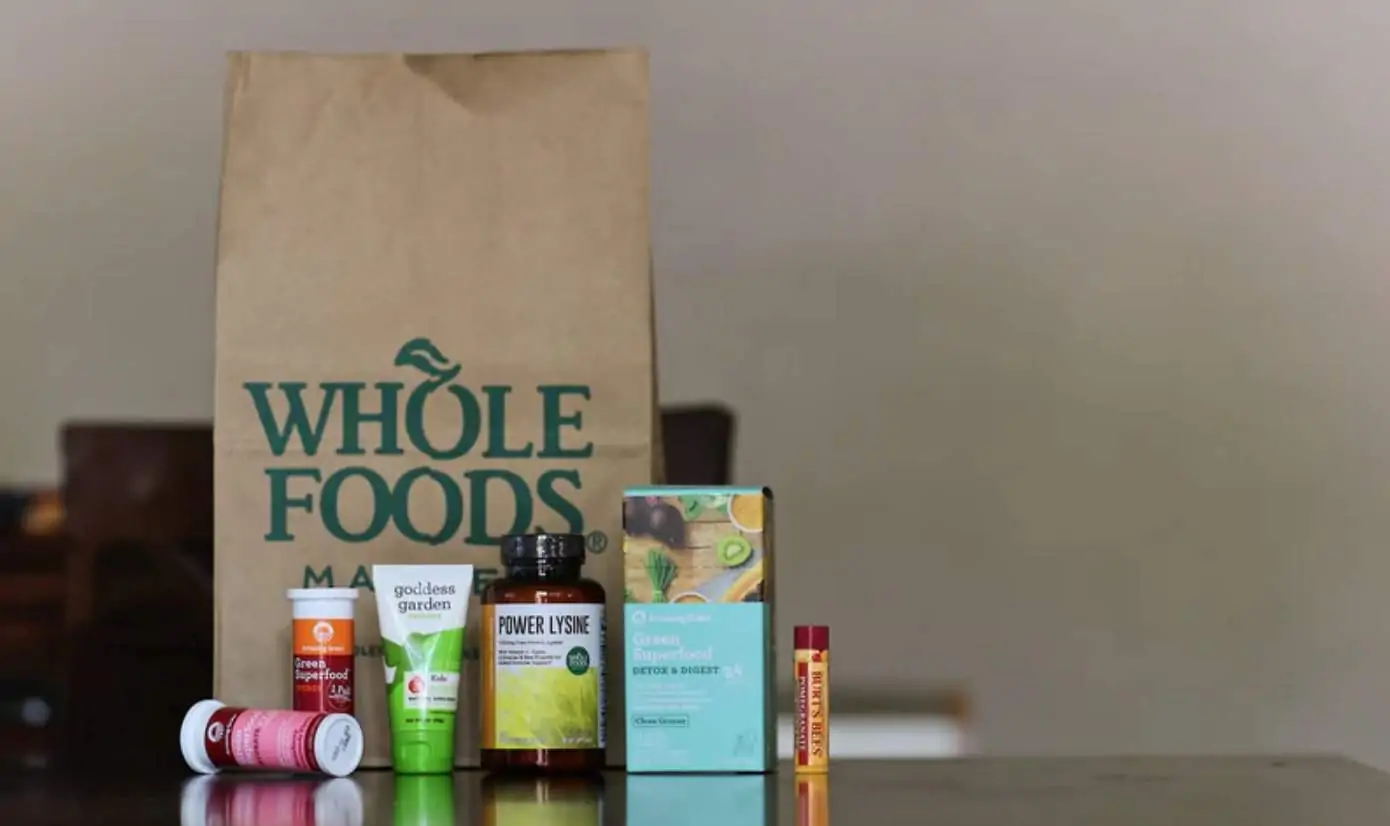
Sample answer from a real employee: “I am interested in Whole Foods because the company’s core values align with some of my personal interests in learning more about healthy, organic eating and reducing environmental waste.”
You might base your answers on the published core values of Whole Foods Market:
- We Sell the Highest Quality Natural and Organic Foods
- We satisfy and delight our customers
- We promote team member growth and happiness
- We practice win-win partnerships with our suppliers
- We create profits and prosperity
- We Care About our Community and the Environment
This isn’t just filler to put on a website, these values have a real-life impact on the day-to-day operations of local stores and their employees.
They know you’re applying because you either need a job or want to switch jobs, you are a job interview after all. Make the answer about how both sides can benefit from your hiring you.
10. Please describe your current or previous job title and primary duties.
Fact-finding with a twist, because they already have the form you filled out or your resume. They’re looking to see what your focus and goals are in regards to working in grocery stores, what was most important to you about the job you had.
If there was a special procedure involved in any duties, mention that it will show you to be both trainable and willing to follow guidelines.
Recommended Course: Personal Branding (Skillshare)
11. What was the work environment like?

Don’t talk bad about previous employers. Talk about being a team player. Do you have any food service, grocery, or retail experience? Talk about that.
A possible focus for this type of question is to find out how you deal with difficult situations and how you flipped them and created a positive result.
Plus they want to know as much about your previous work history as possible, things that a resume or a few written words don’t adequately convey.
12. What do you expect from a manager?
A key here is to highlight how much you value cooperation. Managers are a link between company oversight and the frontline workforce. They are usually very well trained, especially at a company such as Whole Foods Market.
Top Rated Course: Managing Up As An Employee (LinkedIn Learning)
13. What’s a time you’ve sacrificed quantity over quality?
Sounds like a general question, but your answer should relate to the workplace.
Balance is valued by most employers, they don’t want to sacrifice too much, so tailor your answer to highlight your reasonable discernment and balance.
14. What did you most dislike about your last job?

You can be real without being overly negative. Managers and employers know that there is never going to be the perfect job or the one perfect job candidate, but nitpicky attitudes or a lackadaisical approach to work are red flags to hiring managers.
15. Why should we hire you instead of all the other applicants that are here today?
Time to brag! Highlight your core strengths, specific accomplishments you may have in the workforce, and any specialized training you may have received in previous jobs. All of this will show that you are a good choice and trainable for Whole Foods Market’s company goals.
Highest Rated Course: Becoming Career Smart: Selling Yourself (FutureLearn)
16. If we contact your former employer what would they say about you?
Be honest. But if you are leaving under bad terms, perhaps it might be best to say something along the lines of you hope you left a good impression with everyone. Otherwise, simply be positive and don’t go on and on about personal things.
17. What are three characteristics or traits a team member should have when working for Whole Foods Market?
Possible answers: Dependable, trainable, friendly. You will be the face of Whole Foods Market to customers, so they want to know if you have the ability to be a team member they can rely on. Having seen their core values and mission statement, they obviously are serious about providing excellent products and outstanding customer service.
Popular Course: Being an Effective Team Member (LinkedIn Learning)
Your Job Search Beyond The Whole Foods Interview Questions
We hope you found this guide helpful. And after your interview – which we know you’re going to nail – circle back and let us know if we missed anything so the next reader can benefit.
For more interview question examples, you can see more posts here! Many readers have also found our interview guide focused on how to best answer questions about dealing with stress and pressure really helpful.
And if it turns out that Whole Foods didn’t work out or isn’t hiring in your area, perhaps Starbucks, Costco or Kroger are?
Good luck out there!
