
Learn How To Build Cloud-Based Apps With 2024‘s 11 Best VMware Training Courses
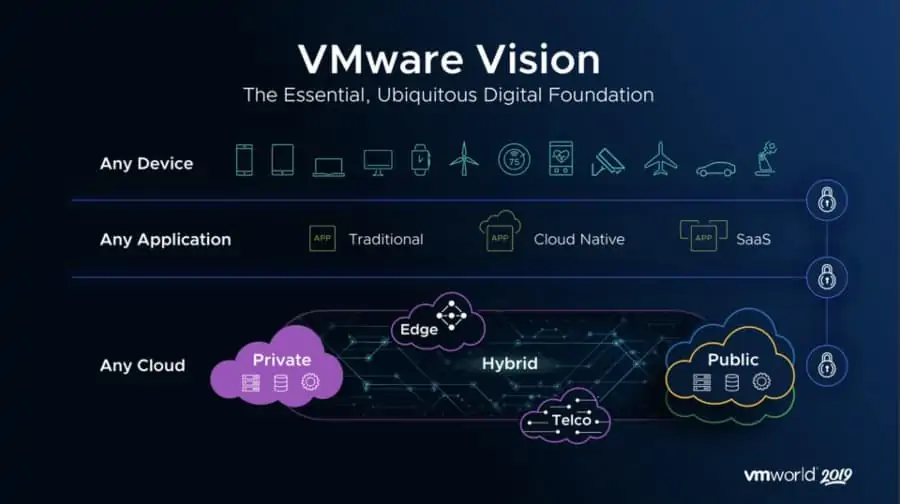
VMware has emerged as the go-to tool for businesses and individuals interested in shifting their infrastructure online to cloud solutions and bringing full digital access to users. So if you want to learn how to build solutions using VMware, you’ve come to the right place!
In this article, I have gathered the best online VMware training courses in 2024 that will teach you the basic and advanced concepts in VMware, making you capable of dealing with network virtualization, NSX, security architecture, vSphere, vSAN, and much more.
You’ll be doing many hands-on exercises as part of these online training courses, so get ready to put your skills and knowledge to the test. Let’s get started!
Top 11 Best VMware Training Courses 2024 (Free + Paid)
1. VMware vSphere 6.5 Essential Training Part 1 (LinkedIn Learning)
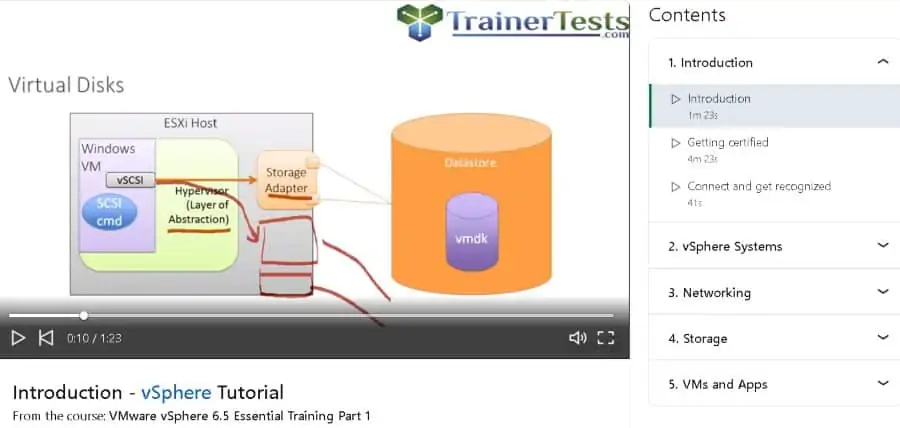
First on my list is a beginner-level online VMware training course on LinkedIn that more than 17,000 people have taken on the platform. It is an excellent choice for anyone starting with VMware who wants to learn vSphere and work with ESXi.
Your instructor for this online course will be Rick Crisci, an IT professional with over 16 years of real-world experience. Rick has received certifications from VMware, Cisco, as well as Juniper.
In this 5 hours long online VMware course, you will dive into VMware’s tools by going through topics like vSphere editions, making virtual networks with vSphere, configuring ESXi, making various types of switches, creating NFS data stores, making virtual machines, and much more.
By completing this online course, you will claim 5 CompTIA Continuing Education Units (CEUs)!
- Beginner level
- 5 hours long
- Taught by IT professional and VMware certified expert
- Certificate of completion
- Free access for new LinkedIn users
2. Networking and Security Architecture with VMware NSX (Coursera)
Developed by VMware, this intermediate-level online VMware course on Coursera is an excellent choice for all those who want to learn VMware’s NSX. Taken by more than 27,000 students, this online course will make you a confident user of NSX and network virtualization expert.
In this online course, you will be taught by Chris McCain, the director of product management at VMware in the department of networking and security. Chris has gathered 15+ years of experience working in the IT industry and is the author of Mastering VMware Infrastructure 3.
Through 20 hours of videos and assignments, you will dive into the world of network virtualization by going over topics like the basics of NSX, the business value NSX creates, what the security and network architecture of NSX is like, how you can work towards certification, and much more.
You will get to work on loads of hands-on labs to apply and consolidate the knowledge you pick up during the lectures!
- Intermediate level
- 20 hours long
- Taught by director of product management at VMware
- Certificate of completion
- Financial aid application
3. VMware vSphere 6.0 Part 1 – Virtualization, ESXi and VMs (Udemy)
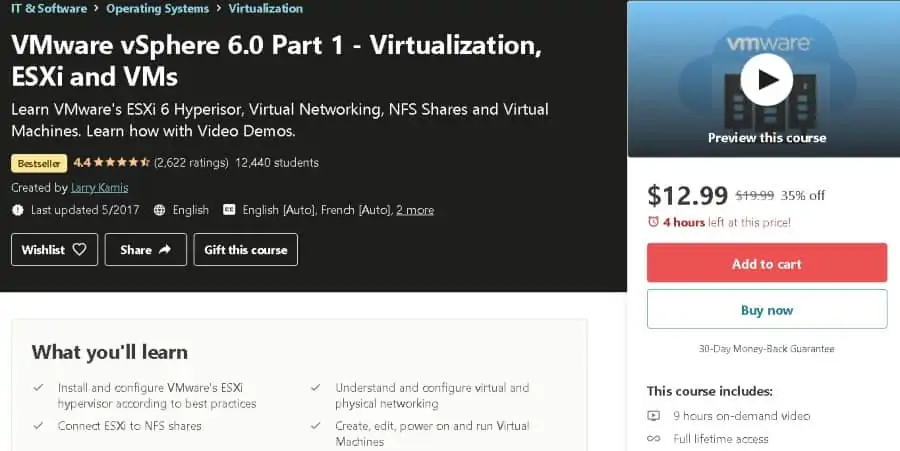
If you’re looking for resources to help you transition into a VMware vSphere administrator role, this intermediate-level online VMware course on Udemy is the right fit for you. More than 12,000 students have taken this bestselling online course on Udemy.
As for your instructor, Larry Karnis will be teaching you in this online course. Larry is an IT expert with over 25 years of professional experience. He has been a VMware Certified Professional (VCP) since 2004 and has been training people on using VMware for almost 17 years.
In this 9 hours long online VMware course, Larry will first guide you on installing and setting up the ESXi 6.0 hypervisor and host management before going over the basics of virtual and physical networking, using file shares like NFS, how to build virtual machines, and much more.
At the end of this online course, you will get a certificate of completion to share with your network and let them know about your newly acquired VMware skills!
- Intermediate level
- 9 hours long
- Taught by VMware Certified Professional (VCP)
- Certificate of completion
- Full lifetime access
4. Learning VMware vSAN (LinkedIn Learning)
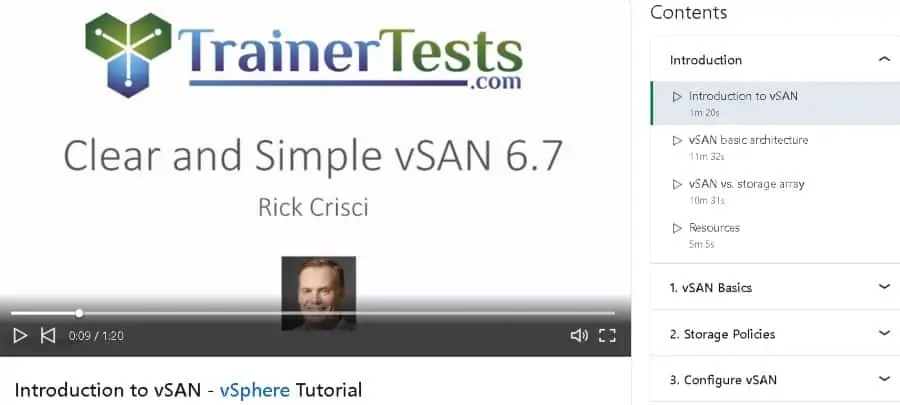
vSAN is an incredibly in-demand storage solution developed by VMware, so this intermediate-level online course on LinkedIn is a great choice for all those wanting to get a strong grasp of vSAN. More than 4,000 people have taken this online VMware course and strengthened their vSAN skills.
Rick Crisci, an IT professional with 16+ years of professional experience, will teach you in this online course. Rick is a VMware Certified Professional (VCP) and has certifications from Cisco and Juniper as well.
In this 3 hours long online VMware course, Rick will teach you several important vSAN-based skills and methods, including managing vSAN capacity through disk groups, the difference between hybrid and flash architectures, and configure a vSAN network, and much more.
If you’re a new user on LinkedIn, you can gain access to this online course for free and get a certificate of completion at the end!
- Intermediate level
- 3 hours long
- Taught by VMware Certified Professional
- Certificate of completion
- Free access for new LinkedIn users
5. VMware Learning Paths (VMware Official)
For those of you who prefer to learn from official sources and use training materials developed by the creators of VMWare, this is the link you should explore at length. This course is beneficial if you would like to find personalized plans for individuals and entire companies.
VMWare Learning Paths will provide you with instructors for these online courses on VMWare’s official website by experts in the field. These include VMWare Certified Professionals (VCPs) who have a strong history and command over the entire VMWare toolkit.
In this collection of online VMWare courses, you will find courses ranging from 3 to 5 days in length on a range of beginner, intermediate, and advanced topics. You will find online courses that teach about VMWare’s multi-cloud, virtual cloud, digital workspace solutions, and much more.
You will also find online courses that will directly prepare you for the VMWare Professional Certification and get you a step ahead in your professional career!
- Beginner/intermediate/advanced level
- Collection of online courses
- Taught by experts and VMWare Certified Professionals
- Prepare for VMWare Certification
- Explore the entire suite of VMWare tools
6. Learning VMware vSphere 6.5 (LinkedIn Learning)
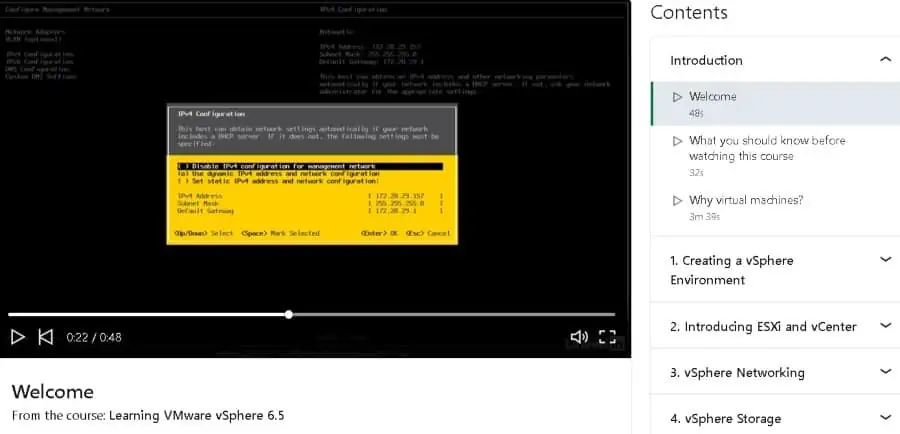
Next on my list is a beginner-level online VMWare course that will introduce you to the world of virtual machines through VMWare’s tools. More than 17,000 students and professionals have taken this online course and can be accessed on multiple devices (including tablets and phones).
Your teacher for this online course will be Brandon Neill, a VMWare Certified Instructor with 19+ years of professional IT experience. He has been a part of VMWare, having worked as a network escalation engineer.
In this 1 ½ hours long online VMWare course, Brandon will take you on a tour of VMWare virtualization tools by teaching you how to create a vSphere environment, set up ESXi, and vCenter, add data stores and deploy virtual machines, migrate through vMotion, and much more.
As part of this online course, you will get the opportunity to work on a final project that will test all of your skills and make sure you’ve actually acquired the skills!
- Beginner level
- 1 ½ hours long
- Taught by VMWare Certified Instructor
- Certificate of completion
- Free access for new LinkedIn users
7. Implementing and Managing VMware vSphere (Pluralsight)
If you’re already well-versed with computer networks and know a bit about virtualization, then you should definitely check out this learning path series of online VMWare courses on Pluralsight. You will have access to 11 online courses that will give you a full crash course in VMWare’s vSphere.
In these online courses, you will be instructed by David Davis, an IT professional who is an expert with 20+ years of professional experience in the field. David is a VMWare Certified Professional (VCP) and has published more than 50 online courses on Pluralsight.
Through 11 online courses ranging from 1 hour to 4 ½ hours in length, you will find all the information needed to become a vSphere expert. You will learn about installing and configuring it, managing storage, deploying virtual machines and apps, managing resources, and much more.
Taking advantage of a free 10-day trial offered by Pluralsight, you can complete all of these courses (if you have the appetite for it!) and get certificates of completion!
- Beginner/intermediate/advanced level
- Collection of 11 online courses
- Taught by VMWare Certified Professional with 20+ years of experience
- Certificates of completion
- Free 10-day trial of Pluralsight
8. Cert Prep: VMware Certified Associate (VCA-DBT) (LinkedIn Learning)
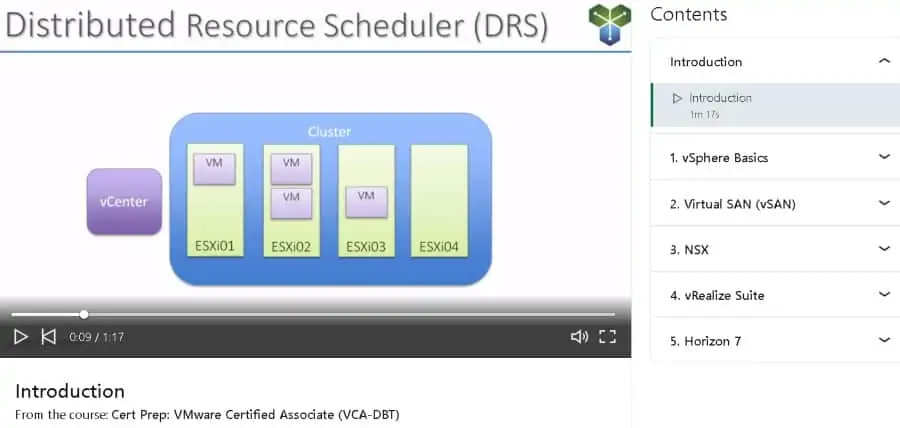
You will find many online VMWare courses that will teach you how to use the tool, but you should definitely head over to this beginner-level online course if you’re looking to get certified. Taken by over 6,500 students, this online course will prepare you for the certification exam.
As for your instructor, Rick Crisci will be teaching you in this online VMWare course. Rick is a certified IT specialist from VMWare, Cisco, and Juniper, proving his expertise. He also has over 16 years of professional experience.
In this 2 ½ hours long online course, you will receive instruction to prepare you for the VMWare Certification exam. You will go over topics like the key vCenter services, how to design vSphere for performance and security, the use cases for vSAN and NSX, and much more.
At the end of this online course, you will even get a certificate of completion that you can show to your network to let them know that you’re climbing the ladder of VMWare mastery!
- Beginner level
- 2 ½ hours long
- Certificate of completion
- Taught by VMWare Certified Instructor
- Free access for new LinkedIn users
9. VMware Training (MindMajix)
Next on my list is a comprehensive and applied online VMWare course on MindMajix that will give you a solid balance of theory and hands-on practice in using VMWare’s suite of tools. The 5-star rated beginner-level online course will prepare you well for the VMWare Certification exam.
You will be instructed in this online course by experienced instructors hand-vetted by MindMajix itself. You can rest assured that you will be learning from certified VMWare consultants who have a lot of experience in the industry.
With 20 hours of instructor-led lessons and 20 hours of applied labs, you can be sure that you will end this online course with VMWare at your fingertips. You will know all about virtualization, the ESXi server, virtual machines, processor and memory management, and much more.
The best part about this online VMWare course on MindMajix is that you can pay in installments, will have a flexible schedule, and 24/7 lifetime support!
- Beginner level
- 20 hours long
- 20 hours of lab work
- Taught by certified VMWare consultants
- Certificate of completion
10. VMware Training (New Horizons)
New Horizons is a recognized training partner of VMWare, and so you should check out their catalog of online courses and training that will prepare you for the certification exam. You will be able to learn and then take the VMWare Certified Professional test through New Horizons.
Instructors for these online training and VMWare courses will be provided to you by New Horizons. These courses were developed and authored by industry experts certified by VMWare, so you can rest assured that you will receive the most accurate information.
As part of its course catalog, New Horizons offers training courses on the various versions of vSphere, including v6.5, v6.7, and v7.0, on VMWare Carbon Black, Horizon, NSX, vSAN, vCenter, vCloud, vRealize, Workspace ONE, and much more.
If you’re looking for the VMWare Certification, then New Horizons offers the best range of learning resources!
- Beginner/intermediate/advanced level
- Collection of 50+ online courses
- Taught by certified experts
- Prepares you for the VMWare Certification
- Recognized training partner of VMWare
11. The Complete VMware vSphere 7: Beginner to Advanced-pt ½ (Udemy)
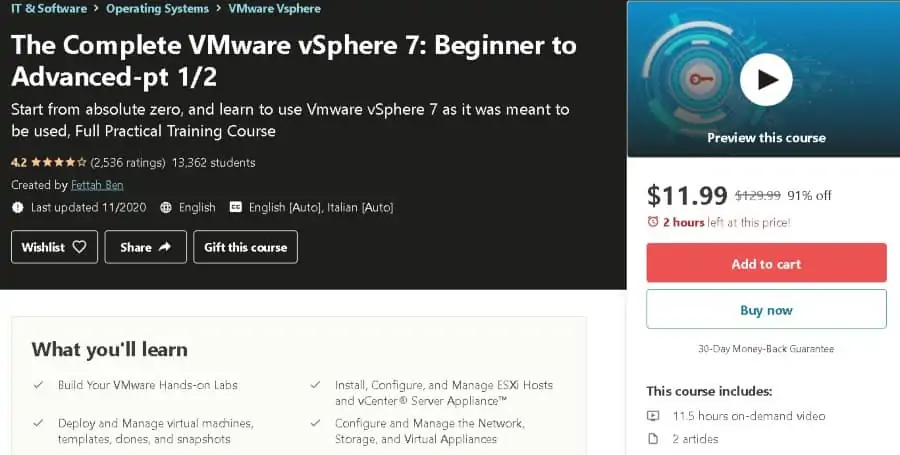
The final entry on my list is a beginner-level online VMWare course on Udemy that is perfect for those who are absolute beginners in the field of virtual networks and want to learn about it quickly. Taken by more than 13,000 students, this online course has a rating of 4.2 stars.
Fettah Ben, an IT Manager at a reputed firm, will teach you in this online course. Fettah has a diploma in IT administration and has published more than 12 courses on Udemy, teaching more than 100,000 students worldwide.
In this comprehensive 11 ½ hours long online course, you will start from scratch and go through topics like building, deploying, and administering VMWare virtual machines, configuring various types of switches, configuring ESXi hosts, managing storage, and much more.
Don’t worry about forgetting concepts with time – you will have full lifetime access to this online course so that you can come back whenever you want to review something!
- Beginner level
- 11 ½ hours long
- Taught by experienced IT administrator with 12+ courses on Udemy
- Certificate of completion
- Full lifetime access
If VMware isn’t quite what you’re looking for, we have a broad set of helpful reviews across a number of rapidly growing technology sectors including Big Data, Online Networking, Machine Learning & Cyber Security.
